Broadleaf Mahogany
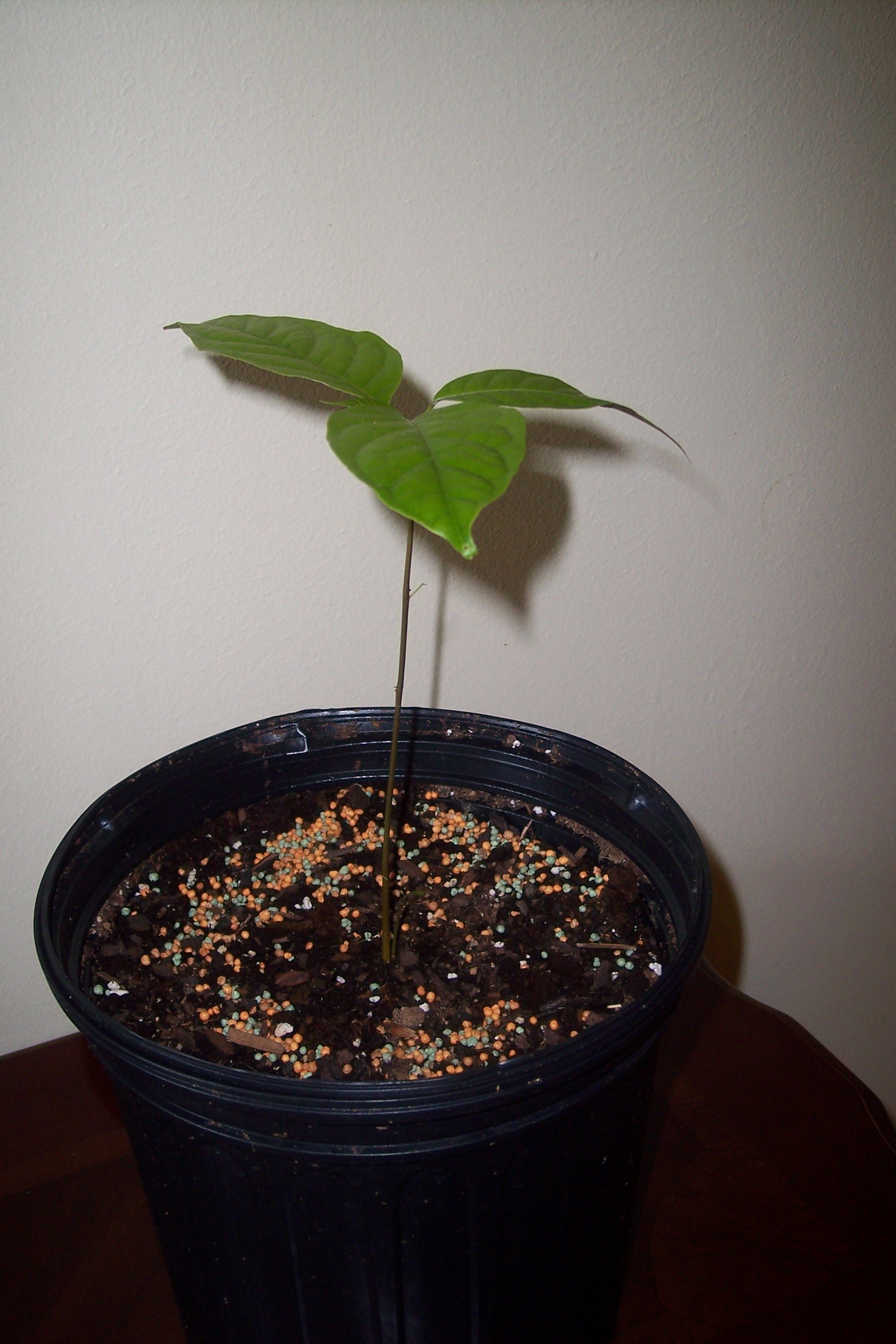
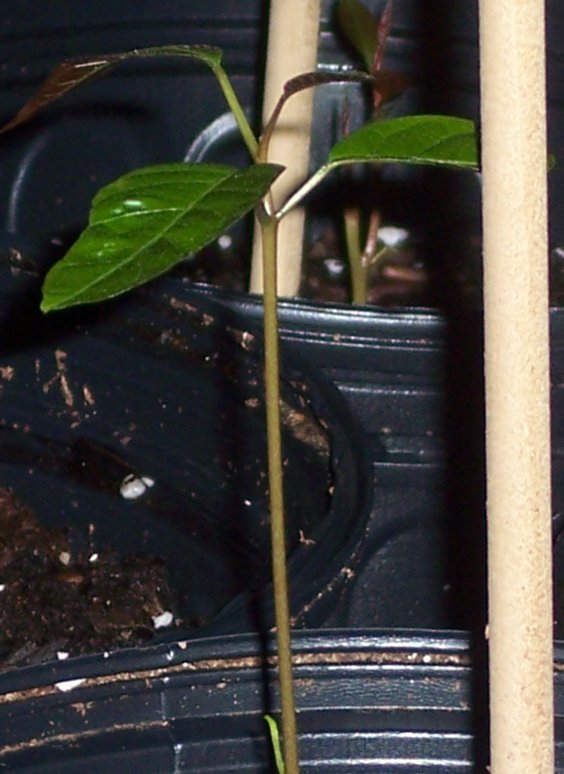
$50.00 + $20.00 for shipping and handling
RGH 010
Mahogany has a generally straight grain and is usually free of voids and pockets. It has a reddish-brown color, which darkens over time, and displays a beautiful reddish sheen when polished. It has excellent workability, and is very durable. The size of the trees determines the with of the boards boards. These properties make it a favorable wood for crafting furniture.
The Tree: A small to moderate-sized tree about 45 to 50 ft in height with a short clear bole of 10 ft; trunk diameter generally about 1 ft; the tree reaches its maximum size in Ceylon.
The Wood:
General Characteristics: Heartwood light yellow or golden yellow; not distinctly demarcated from the sapwood. Texture fine and even; highly lustrous; grain narrowly interlocked, often with attractive mottle figure; fragrant but without characteristic taste.
Weight: Basic specific gravity (ovendry weight/green volume) 0.80; air-dry density 61 pcf.
Mechanical Properties: (2-in. standard)
Moisture content Bending strength Modulus of elasticity Maximum crushing strength
(%) (Psi) (1,000 psi) (Psi)
Green (32) 12,615 1,650 6,520
15% 16,500 2,020 10,030
Janka side hardness 1,840 lb for green material and 2,600 lb for dry.
Drying and Shrinkage: There is a tendency to warp and check in drying; seasoning of girdled trees is practiced. Kiln schedule T3-C2 is suggested for 4/4 stock and T3-C1 for 8/4. Shrinkage green to ovendry: radial 5.5%; tangential 7.1%.
Working Properties: Difficult to work with hand and machine tools, torn grain common when planing quartersawn surfaces; finishes cleanly; turns very well; takes a fine polish.
Durability: The heartwood is rated as extremely durable; sapwood vulnerable to attack by borers and termites.
Preservation: No data available.
Uses: Decorative veneers, furniture and cabinetwork, turnery, interior joinery, specialty items
Water moderately and feed once a month. Transplant when large enough to handle into pots. Grow in full light, water freely during growing season, sparingly in winter and feed once a month with a liquid fertilizer. Keep humid if in dry conditions by occasional misting. Shade from hot sun if grown outdoors
Has proven track record outdoors in zone 10 and 11 or as a houseplant anywhere else. Currently testing to see how it fares in Zone 8 during the winter months. Grows very well in the ground in zone 8. Leaves turn yellow and drop in fall.
|
(334) 491-0241
|
|
 |